
The global dental air compressors market, valued at USD 396.66 million in 2024, is expected to reach USD 652.29 million by 2034 at a 5.10% CAGR, driven by expanding dental procedures and rising demand for reliable clinic-grade air systems.
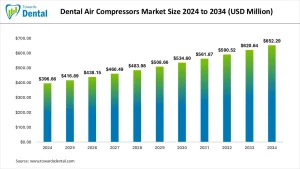
What Factors Define the Function, Importance, and Growth Opportunities in the Dental Air Compressors Market?
The Dental air compressors market refers to the apparatus that supplies clean, dry, oil-free compressed air for handpieces, scalers, suction units, air-water syringes, and a vast assortment of dental equipment in the operatory. They are compressors designed to deliver a stable air pressure, minimize the risk of contamination, and maintain stable performance during restorative, surgical, orthodontic, and hygiene treatments.
Dental air compressors are the staple of any clinical workflow, as they are needed to deliver accuracy during tooth preparation and polishing, as well as during the implant socket cleaning and challenging periodontal treatment. The opportunities in the market are good since clinics are moving towards high-performance air delivery systems, multi-chair layouts, and so increasingly focused on infection control interventions. The market has limitations, including high installation costs, ongoing maintenance, noise control issues, and expensive filter changes.
How Do Regional Differences Influence the Global Adoption of Dental Air Compressor Technologies?
The dental air compressors market in North America is leading and has been driven by advanced dental clinics, effective infection-control regulations, and the popularity of multi-chair practice models. Continuous air delivery, minimal-noise compressor rooms, and more high-quality filtration systems make the region one of the primary centers for high-performance compressor producers.
The US, especially, enjoys advanced clinical facilities, computerized practice space, and a vast population of dental schools embracing the use of modern compressor-related training systems. Europe is a significant force, with established engineering capacity in Germany, Italy, Switzerland, and the Nordics, where precision air technology and medical-grade filtration systems have been built over the years to high standards. The Asia-Pacific region is growing the fastest due to the prevalence of dental diseases, the rising number of patients, the expansion of multi-specialty clinics, and increased health care investment in India, China, Thailand, South Korea, Vietnam, and Japan.
How Are Technological and AI-Driven Innovations Transforming Dental Air Compressor Performance and Reliability?
The dental air compressors market is changing with technological developments that improve filtration efficiency, noise, mechanical life, and energy efficiency. Through the implementation of multi-stage dryer technology, antimicrobial pathway systems, and rust-resistant tanks, manufacturers can provide customers with better-quality air delivery and extended product life spans.
AI-based monitoring solutions enable companies to track multiple environmental factors, including air pressure consistency, temperature changes, drying efficiency, filtration performance, and potential component wear. Manufacturers use AI-based design software to model airflow, vibration characteristics, and structural strain within items, creating more robust compressors that operate at cooler temperatures and generate lower sound levels by modifying design parameters.
Dental Air Compressors Market Statical Scope
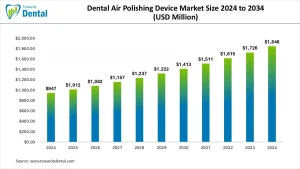
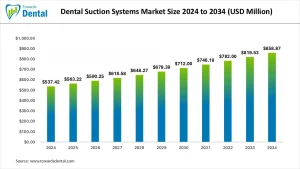
By Type
- Dental Lubricated Compressors
- Dental Oil-Free Compressors

Rohan Patil stands at the forefront of dental market research, leveraging over five years of specialized experience to navigate the intricate landscape of the global dental industry. As Principal Research Analyst at Towards Dental, he spearheads comprehensive research initiatives that encompass a broad spectrum of dental sectors, including orthodontics, periodontics, prosthodontics, and endodontics.
At Towards Dental, Rohan's expertise extends to analyzing emerging trends in dental technologies, regulatory frameworks, and market dynamics. He is instrumental in assessing the adoption of digital dentistry, advancements in dental materials, and the integration of artificial intelligence in diagnostic and treatment modalities.
Rohan's analytical acumen is complemented by his proficiency in translating complex data into actionable insights, enabling him to provide strategic recommendations that inform decision-making across the dental industry. His work not only supports dental professionals and organizations but also contributes to shaping the future trajectory of dental care globally. A trusted advisor and relentless innovator, Rohan continues to push the boundaries of traditional market research, merging scientific rigor with commercial insight to stay ahead in a fast-evolving dental landscape.
- Mobile Dental Unit Market Size to Attain USD 3.76 Billion by 2034 - January 6, 2026
- Dental Cone Beam CT Market Size to Attain USD 1,247.49 Million by 2034 - January 5, 2026
- Dental Resins Market Size to Lead USD 2.7 Billion by 2034 - January 2, 2026
Author
