
The dental materials for dental bridges market was valued at USD 640.2 million in 2024 and is expected to reach USD 1,168.32 million by 2034, growing at a 6.20% CAGR, driven by rising restorative procedures and demand for durable bridge materials.
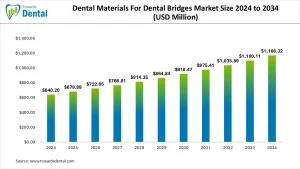
Why Is There High Demand in the Dental Materials for Dental Bridges Market?
Demand is rising because dental bridges remain a core restorative option for patients with missing teeth, especially those who cannot undergo implant placement due to cost, anatomical constraints or health conditions. The World Health Organization reported in 2022 that severe tooth loss affects more than 350 million adults globally, creating sustained need for high-quality fixed prosthetics. Modern patients prefer bridges that mimic natural tooth translucency while offering superior fracture resistance, which drives adoption of next-generation materials such as high-translucency zirconia, lithium disilicate ceramics and hybrid polymer-ceramic composites.
Clinicians increasingly choose materials that support minimally invasive and aesthetic dentistry. Strengthened zirconia frameworks meet the demand for posterior bridges requiring high load-bearing capacity, while glass ceramics and multilayer zirconia offer superior shade matching for anterior restorations. CAD/CAM technology further boosts demand since it requires compatible milling blocks, discs and printable resins that deliver precise, repeatable results. As digital design workflows expand across North America, Europe and Asia Pacific, the need for premium dental materials used in bridges continues to rise.
What Are the Obstacles Holding Back Growth in the Dental Materials for Dental Bridges Market?
Several challenges restrict faster market growth. High raw-material costs for advanced ceramics, zirconia and high-strength polymers make premium bridges expensive, limiting adoption in low and middle income regions. Limited access to CAD/CAM milling centers or digital laboratories in rural areas also affects the use of high-performance materials. Some materials require additional equipment such as sintering furnaces, further raising laboratory investment needs.
Training gaps remain another challenge. The International Journal of Prosthodontics highlighted in 2023 that improper material selection and inadequate design can lead to mechanical failure or poor aesthetics, making clinician education essential. Biological concerns also exist; certain materials may produce wear on opposing dentition or require thicker reduction, which is not always feasible in compromised teeth. Regulatory standards for biocompatibility and long-term performance add complexity for manufacturers entering new global markets.
What Does the Regional Landscape of the Dental Materials for Dental Bridges Market Look Like?
North America and Europe dominate the market due to strong adoption of digital dentistry, high spending on cosmetic and restorative care and widespread use of premium zirconia and lithium disilicate options. Dental laboratories in these regions frequently upgrade material inventories to meet demand for aesthetic multilayer ceramics and durable CAD/CAM options. Patients seek restorations that are both highly aesthetic and long-lasting, pushing clinics to adopt high-performance material systems.
Asia Pacific is experiencing the fastest growth, driven by expanding private dental clinics, increasing dental tourism hubs and rising awareness of advanced restorative treatments. China, India, Japan and South Korea show rapid adoption of zirconia and hybrid ceramics as dental laboratories expand digital capabilities. Latin America shows moderate growth, supported by expanding prosthetic services in Brazil, Mexico and Chile, though affordability remains a limiting factor. The Middle East and Africa are gradually developing as premium cosmetic dentistry becomes more popular in urban centers, although access to advanced materials is still limited in many regions.
How Is Technology Changing the Dental Materials for Dental Bridges Market?
Technology is significantly transforming material performance and production processes. CAD/CAM systems and digital impressions require materials engineered for precise milling, strong bonding and improved marginal accuracy. Multilayer zirconia discs provide gradient translucency that closely imitates natural dentition, reducing the need for extensive manual characterisation. Lithium disilicate blocks now offer improved flexural strength and fracture resistance while maintaining excellent aesthetics.
3D printing is emerging as a complementary technology, enabling production of temporary bridges, prototype restorations and high-precision resin frameworks. Advances in polymer-ceramic hybrids help produce restorations that balance strength with shock absorption. AI-driven software is beginning to influence material selection by analyzing occlusal dynamics, load patterns and patient-specific risk factors. These innovations are creating a new generation of dental-bridge materials that offer superior strength, aesthetics and long-term clinical reliability.
Dental Materials For Dental Bridges Market Statical Scope

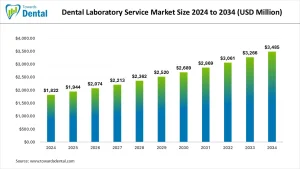
By Material type
- Zirconia
- Lithium disilicate
- Porcelain / Feldspathic ceramics
- Porcelain-fused-to-metal (PFM) materials
- Metal alloys (full-metal bridges)
- PMMA & high-performance polymers / hybrid materials
- Adhesives, cements & bonding agents
- Laboratory consumables & sintering glaze kits

Rohan Patil stands at the forefront of dental market research, leveraging over five years of specialized experience to navigate the intricate landscape of the global dental industry. As Principal Research Analyst at Towards Dental, he spearheads comprehensive research initiatives that encompass a broad spectrum of dental sectors, including orthodontics, periodontics, prosthodontics, and endodontics.
At Towards Dental, Rohan's expertise extends to analyzing emerging trends in dental technologies, regulatory frameworks, and market dynamics. He is instrumental in assessing the adoption of digital dentistry, advancements in dental materials, and the integration of artificial intelligence in diagnostic and treatment modalities.
Rohan's analytical acumen is complemented by his proficiency in translating complex data into actionable insights, enabling him to provide strategic recommendations that inform decision-making across the dental industry. His work not only supports dental professionals and organizations but also contributes to shaping the future trajectory of dental care globally. A trusted advisor and relentless innovator, Rohan continues to push the boundaries of traditional market research, merging scientific rigor with commercial insight to stay ahead in a fast-evolving dental landscape.
- Mobile Dental Unit Market Size to Attain USD 3.76 Billion by 2034 - January 6, 2026
- Dental Cone Beam CT Market Size to Attain USD 1,247.49 Million by 2034 - January 5, 2026
- Dental Resins Market Size to Lead USD 2.7 Billion by 2034 - January 2, 2026
Author
